
Introduction
Dental implants are a popular way to replace missing teeth. Many people choose dental implants because they look and feel like natural teeth. Understanding dental implants is important if you are thinking about tooth replacement. This guide explains the benefits, procedure, and recovery process of dental implants. Knowing these facts can help you make the best choice for your dental health.
What Are Dental Implants?
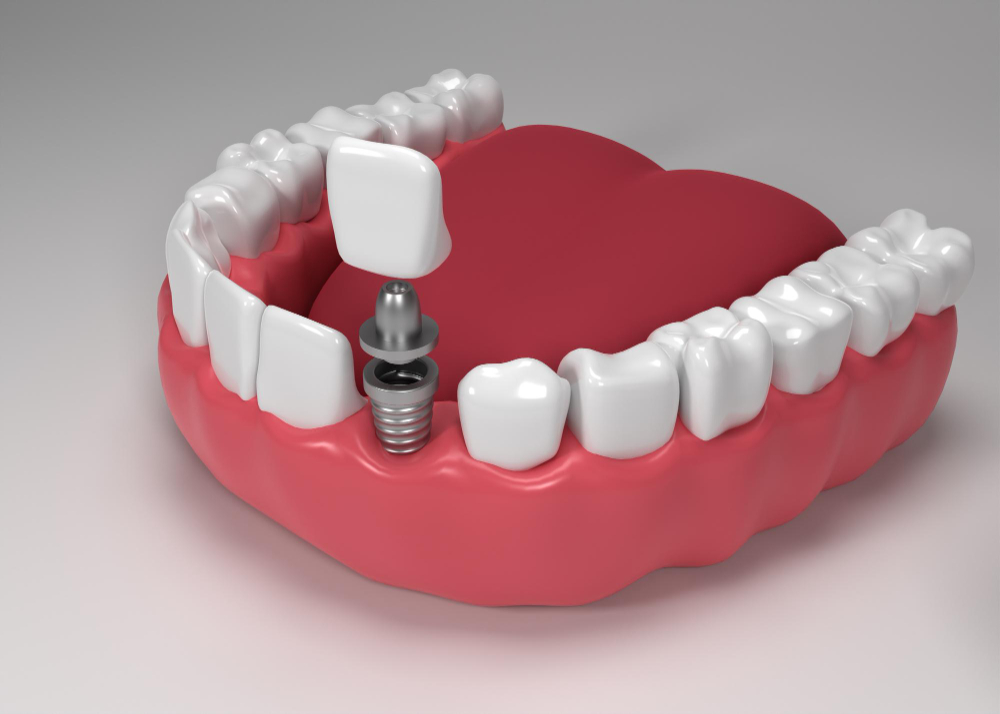
Dental implants are small metal posts placed in your jawbone. They act as roots for artificial teeth. Usually, these posts are made of titanium, which is safe for the body. Once the implant is in place, a dentist attaches a crown, bridge, or denture to it. As a result, dental implants provide a strong and lasting solution for missing teeth. Unlike dentures, implants do not slip or move in your mouth.
Benefits of Dental Implants
Dental implants offer many advantages over other tooth replacement options. For example, they look and function like real teeth. Here are some key benefits:
Additionally, dental implants do not require grinding down nearby teeth, which is often needed for bridges. According to the American Dental Association, implants are a safe and effective choice for many adults.
The Dental Implant Procedure: Step-by-Step
The dental implant procedure involves several steps. Each step is important for a successful outcome. Here is a simple breakdown:
Throughout the process, your dentist will guide you and answer your questions. For more details, you can visit the American Academy of Implant Dentistry website.
Recovery Process After Dental Implant Surgery
After dental implant surgery, most people recover quickly. However, some swelling, bruising, or mild pain is normal. Your dentist may give you medicine to help with discomfort. In most cases, you can return to normal activities within a few days. But, you should avoid hard or sticky foods while your mouth heals. Good oral care is important during recovery. Brush gently and follow your dentist’s advice. If you notice unusual pain or swelling, contact your dentist right away.
Tips for a Smooth Recovery
Following your dentist’s instructions can help you heal faster. Here are some helpful dental implant recovery tips:
Moreover, regular check-ups help ensure your implant heals well. If you follow these steps, your recovery will likely be smooth and quick.
Frequently Asked Questions About Dental Implants
Are dental implants safe?
Yes, dental implants are safe for most adults. Dentists use materials that work well with the body.
How long do dental implants last?
With proper care, dental implants can last many years, often a lifetime.
Is the dental implant procedure painful?
Most people feel little pain during the procedure. Dentists use local anesthesia to keep you comfortable.
Can anyone get dental implants?
Most healthy adults can get implants. However, some health conditions may affect your suitability. Your dentist will check your health before starting.
How do I care for my dental implants?
Brush and floss daily. Visit your dentist for regular check-ups. Good oral hygiene keeps your implants healthy.
Conclusion
Dental implants offer many benefits, from a natural look to long-lasting results. The procedure is safe and well-tested. Recovery is usually quick with the right care. If you are thinking about dental implants, consult Dr. Shubham Gupta to find out if dental implants are right for you.