
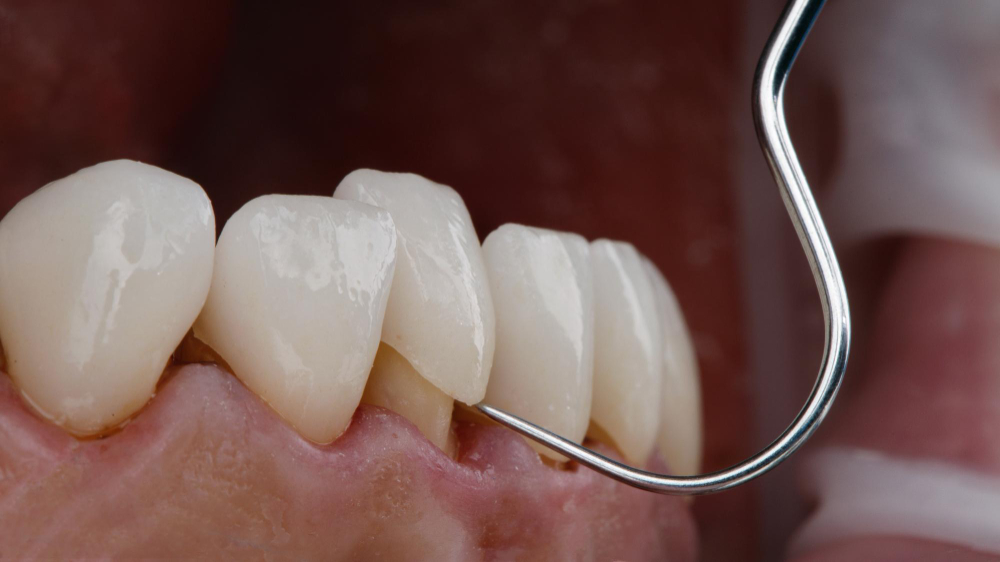
Dental veneers are a popular way to improve smile appearance. Many people choose this cosmetic dental procedure to boost confidence and enjoy a brighter smile. With advances in aesthetic dentistry, porcelain veneers now look more natural than ever. If you want to learn about dental veneers, their benefits, and how they work, this guide will help you understand every step.
What Are Dental Veneers?
Dental veneers are thin shells made from porcelain or resin. Dentists place them on the front of your teeth. As a result, they can change the color, shape, or size of your teeth. Porcelain veneers are especially popular because they resist stains and look like natural teeth. In aesthetic dentistry, veneers are often used to fix small flaws and create a beautiful smile.
Common Reasons for Choosing Dental Veneers
Many people turn to dental veneers for different reasons. For example, veneers can help if you have:
Because veneers offer a quick way to improve smile appearance, they are a top choice in cosmetic dental procedures. Additionally, they can boost self-esteem by giving you a more even and bright smile.
The Dental Veneer Procedure: Step-by-Step
Getting dental veneers usually involves several steps. First, your dentist will examine your teeth and discuss your goals. Then, they may take X-rays or make molds of your mouth. Next, a small amount of enamel is removed from your tooth surface. This makes space for the veneer. After that, your dentist takes an impression to send to a dental lab. While you wait for your custom veneers, you may get temporary ones. Once the veneers are ready, your dentist checks the fit and color. Finally, the veneers are bonded to your teeth using a special cement. The process is simple and often takes two or three visits.
Benefits of Dental Veneers for Smile Enhancement
Dental veneers offer many benefits for improving smile appearance. For instance, they can:
Because of these advantages, veneers are a leading choice in aesthetic dentistry for those seeking a smile makeover.
Potential Risks and Considerations
While dental veneers are safe, there are some things to consider. For example, the process is not reversible. Once enamel is removed, it cannot be replaced. Also, veneers can chip or crack if you bite hard objects. Sometimes, your teeth may feel more sensitive to hot or cold. However, most people adjust quickly. According to dental journals, risks are low when a trained dentist performs the procedure. Still, it is important to discuss all options with your dentist before starting.
Caring for Your Dental Veneers
Proper care helps your dental veneers last longer. You should:
Because veneers resist stains, you can enjoy coffee or tea in moderation. However, good oral care is still important to keep your smile bright.
Longevity and Replacement of Veneers
Dental veneers can last from 10 to 15 years with proper care. Over time, they may need replacement due to wear or damage. For example, if a veneer chips or comes loose, your dentist can repair or replace it. Regular dental visits help catch problems early. Although veneers are strong, they are not as durable as natural teeth. Therefore, gentle care is key to making them last longer.
Cost Factors and Insurance Coverage
The cost of dental veneers depends on several factors. These include the type of material, the number of teeth treated, and your dentist’s experience. Porcelain veneers usually cost more than resin ones. Also, location can affect price. Most insurance plans do not cover cosmetic dental procedures like veneers. However, some may help if veneers are needed for medical reasons. Always check with your insurance provider before starting treatment.
Frequently Asked Questions About Dental Veneers
Consult Dr. Shubham Gupta if you are looking for veneers.