
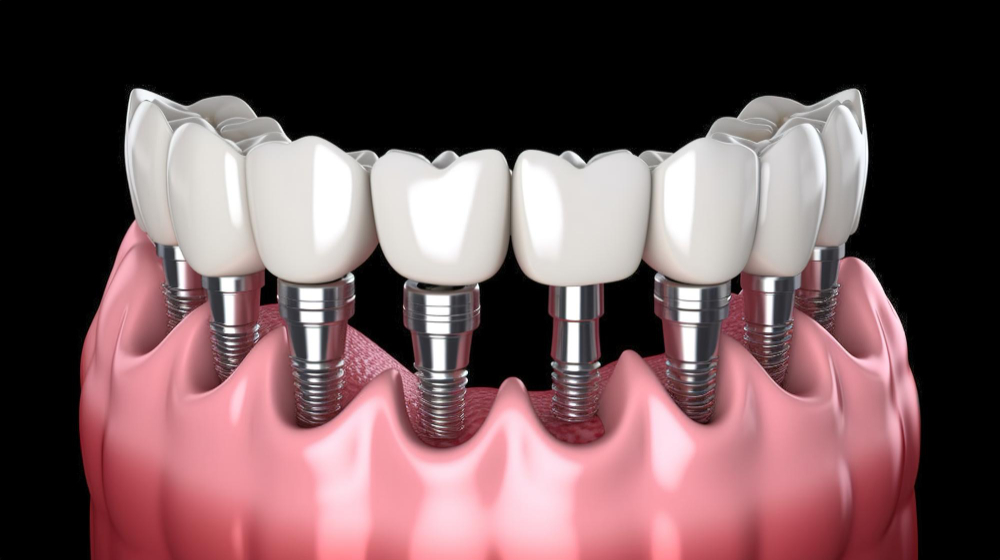
What Are Full Mouth Implants?
Full mouth implants are a dental solution for people who have lost most or all of their teeth. These implants use strong metal posts, usually made of titanium, placed in the jawbone. Then, artificial teeth are attached to these posts. As a result, full mouth dental implants can restore your smile and help you chew food again. Unlike regular dentures, implant-supported dentures stay in place and feel more natural.
Who Needs Full Mouth Implants?
Many people can benefit from full mouth implants. For example, you may need them if you:
However, not everyone is a good candidate. For instance, people with certain health conditions or weak jawbones may need other options. Therefore, a dentist will check your mouth and health before recommending full mouth implants.
Benefits of Full Mouth Implants
Full mouth implants offer many advantages over traditional dentures. Some key benefits include:
Additionally, full mouth implants can boost your confidence. You can smile, eat, and talk without worry. According to the American Academy of Implant Dentistry, dental implants have a high success rate and can last many years with good care.
The Procedure: Step-by-Step
Getting full mouth implants involves several steps. Here is a simple overview:
Sometimes, temporary teeth are used while your mouth heals. Your dentist will explain each step and answer your questions.
Recovery and Aftercare Tips
After the dental implant procedure, proper care is important. Here are some tips to help you heal and keep your implants healthy:
Moreover, avoid smoking and limit alcohol, as these can slow healing. Most people return to normal activities within a few days, but healing inside the jaw takes longer.
Risks and Considerations
Like any surgery, full mouth implants have some risks. However, most problems are rare. Possible risks include:
Still, choosing a skilled dentist reduces these risks. Always share your full medical history before the procedure. According to the CDC, good oral hygiene lowers the risk of infection and implant failure.
Cost and Insurance Information
The cost of full mouth implants can vary. Factors include the number of implants, your location, and the dentist’s experience. In the United States, the price may range from $20,000 to $50,000 or more for a full set. Some dental insurance plans may cover part of the cost, but many do not. Therefore, ask your dentist about payment plans or financing options. If you are looking for full mouth implants in your city, compare prices and services before choosing a provider.
Frequently Asked Questions
Prevention and Oral Hygiene Tips
Even after getting full mouth implants, good oral care is important. Here are some simple tips:
By following these steps, you can keep your implants and mouth healthy for years to come.
In summary, full mouth implants can restore your smile and improve your quality of life. Consult Dr.Shubham Gupta see if full mouth implants are right for you.